Live
Trade & inspection
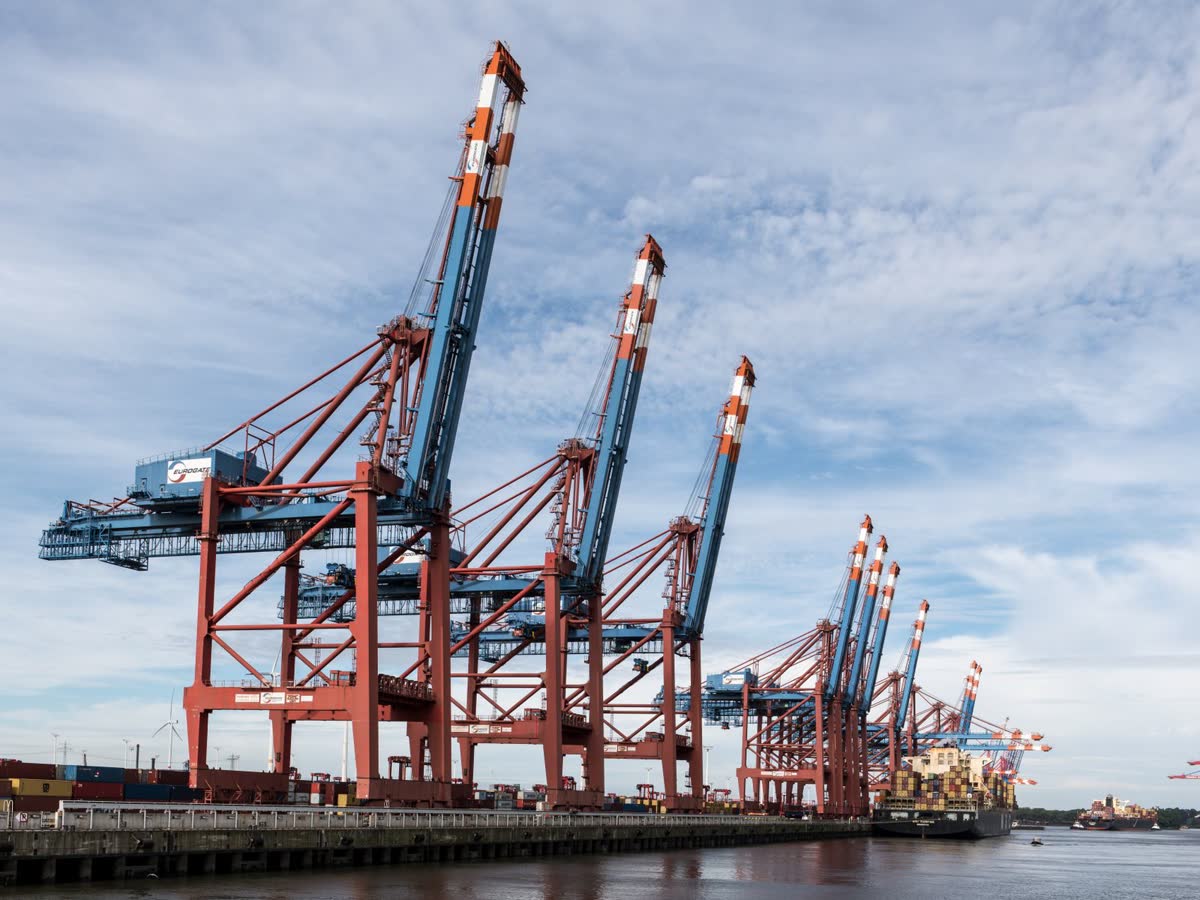
Phytosanitary inspection records are sealed on the packhouse floor and checked by border authorities and buyers. The first platform in production is MetaShip.
Signed at the source · Verifiable by anyone
TrustedAnchor gives organisations and people verifiable digital identities, and signs what they issue: inspection records, agreements, identity checks, documents. Anyone can check a signature in seconds. No account is needed, and you don’t have to trust us.
On the device
Records are signed at the inspection point, with a key that cannot be copied off the device.
Open standards
W3C Verifiable Credentials with Ed25519 Data Integrity proofs. No proprietary format, no lock-in.
Zero trust in us
Anyone can check a signature against the signer’s published key, with the code on this site or their own.
One trust layer, many kinds of record
The identity, the signature and the check are the same whatever is being signed. Only the record changes.
Phytosanitary inspection records are sealed on the packhouse floor and checked by border authorities and buyers. The first platform in production is MetaShip.
Crew identities, deal memos and time attested on set, signed so payroll, financiers and completion guarantors can rely on them. Planned for the Pinksy production platform.
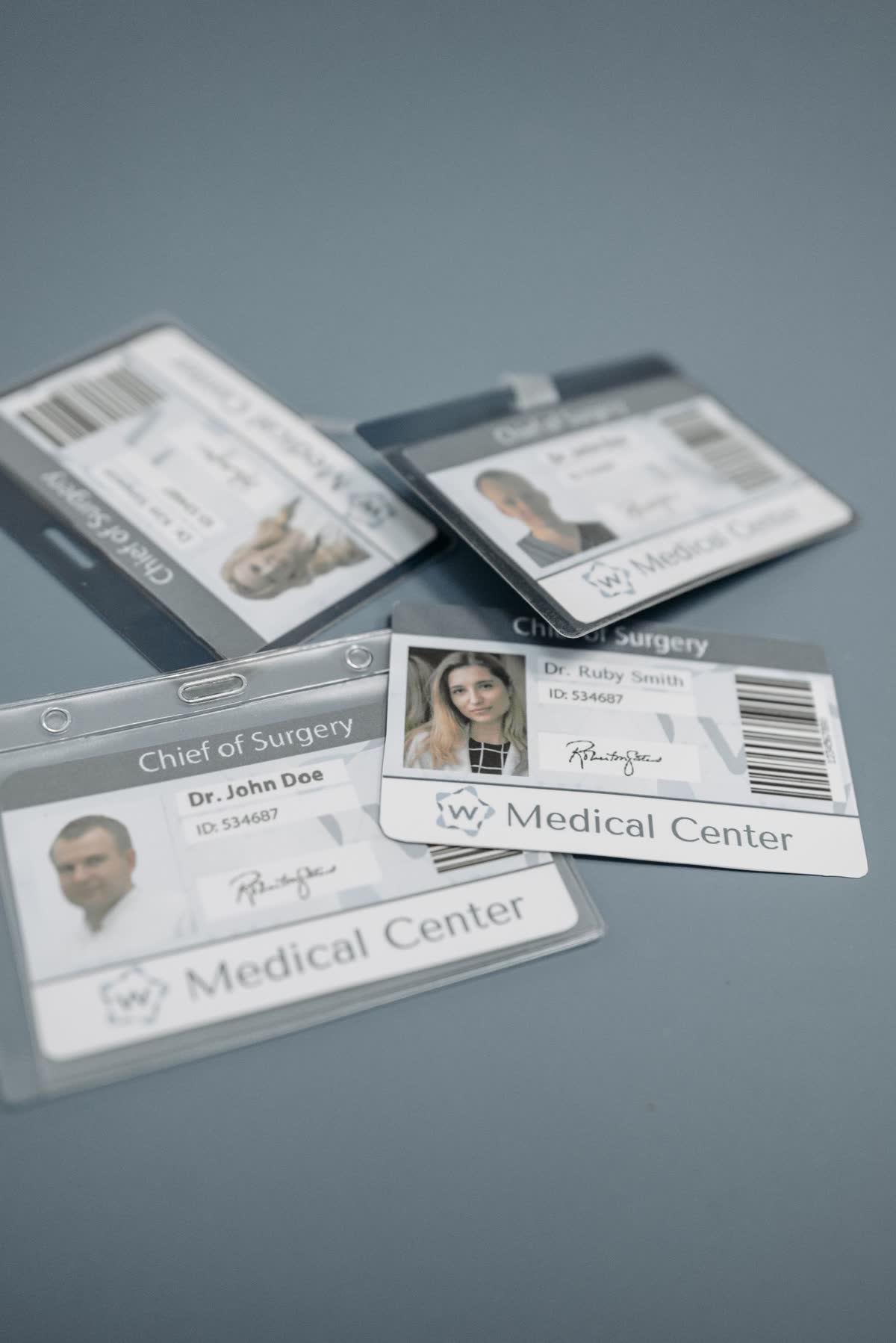
A person or company is checked once by an accountable party, such as a bank, a company register or a verification provider. The outcome is issued as a signed credential others can verify, instead of collecting the same documents again.

Organisations submit documents and have them signed against their own identity. Recipients can confirm who signed and that not a word has changed.
How it works
Every signer is an organisation or a person with a published identity. Organisations are tied to their company register; people are verified once.

The record is signed where it is created: on the inspector’s tablet, the producer’s phone or the issuer’s system. The key never leaves the device.
The signing key is published under the signer’s identity on trustedanchor.io. Keys are approved before they count, and can be revoked.

Whoever receives the record checks the signature, the signer and the register here. Years later, without an account.
Published identities
Each organisation, and in future each issuer acting for people, has a decentralised identifier (DID) hosted at trustedanchor.io. Its document lists the keys allowed to sign for it, and nothing else. Resolve one yourself:
did:web:trustedanchor.io:org:<id>
→ https://trustedanchor.io/org/<id>/did.jsonSecurity by construction
Signing keys are generated inside the browser’s WebCrypto store as non-extractable Ed25519 keys. Not even the app can export them.
Records are canonicalised (RFC 8785), hashed with SHA-256 and signed. Change one digit and the signature fails, as the verifier shows.
By default, a new device key waits as pending until an administrator approves it. Its seals count only once it is approved. Organisations can opt into automatic enrolment instead.
The public register refuses keys that are unenrolled, pending or belong to another organisation. Revoking a lost device stops it signing; earlier seals stay valid.
One pallet of a sealed consignment can be proven without exposing the rest (live). Credentials about people will let the holder disclose single facts, such as “over 18” or “identity checked”, and keep everything else private (in development).
No cookies, no trackers, no third-party scripts. The verifier is a single readable file, and you can run it offline.
Who relies on it

Confirm that a record came from an approved source and was not altered after signing. No vendor account needed.
Rely on documents and identity checks whose signer is tied to a published identity, whether for trade finance or a film’s cost report, before money moves.
Accept a counterparty’s verified identity instead of collecting the same documents again, and still decide for yourself whether to rely on it.
Check the practice statement, the key lifecycle and the register status of any record, all in public.
Service status, stated plainly
| Capability | Status | Notes |
|---|---|---|
Organisation identitiesdid:web:trustedanchor.io:org:… | Live | DID documents generated from each organisation’s approved device keys. |
| On-device signed inspection records | Live | W3C VC 2.0, eddsa-jcs-2022. In production since September 2026. |
| Public verification and pallet inclusion proofs | Live | Verify and API. |
| Company identities anchored to national registers | In development | UK Companies House, NL KvK and ZA CIPC connectors. Not yet issuing. |
| Credentials about people (issuer profiles, selective disclosure) | In development | SD-JWT VC and did:webvh issuance, in review. |
| Reusable identity checks (KYC & KYB) | Planned | TrustedAnchor will sign the outcome of a check made by an accountable party. It does not perform KYC itself. |
| Film & television (Pinksy) | Planned | Crew identities, agreements and attested time. |
| Organisations submitting documents for signing | In development | An organisation portal for signing documents against its identity. |
| Standard revocation lists (Bitstring Status List) | Planned | Today, status is answered by the register API. |
| Independent audit and certification | Planned | None held yet. We will publish certificates here once they are issued, not before. |
Full conformance map: Standards.
Public repository
Paste or drop it into the verifier. The signature is checked in your browser in about a second.
Verify a record